
Not Everything Makes Sense w/ Claudia Wieser
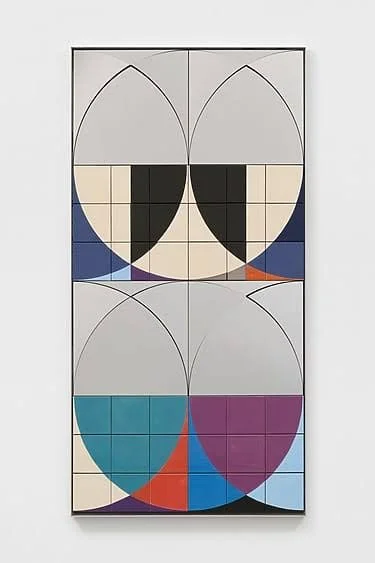
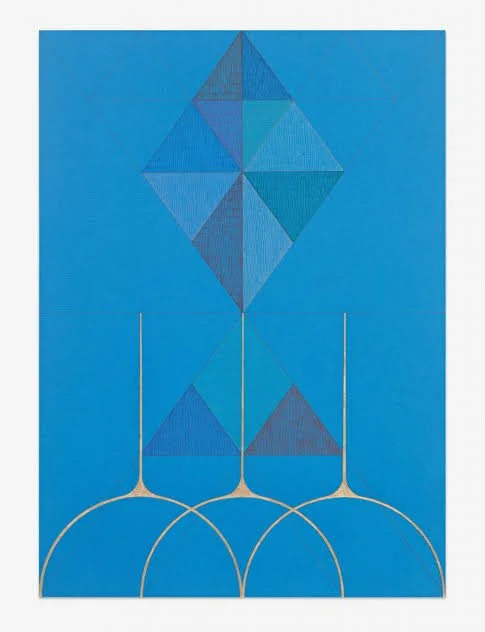
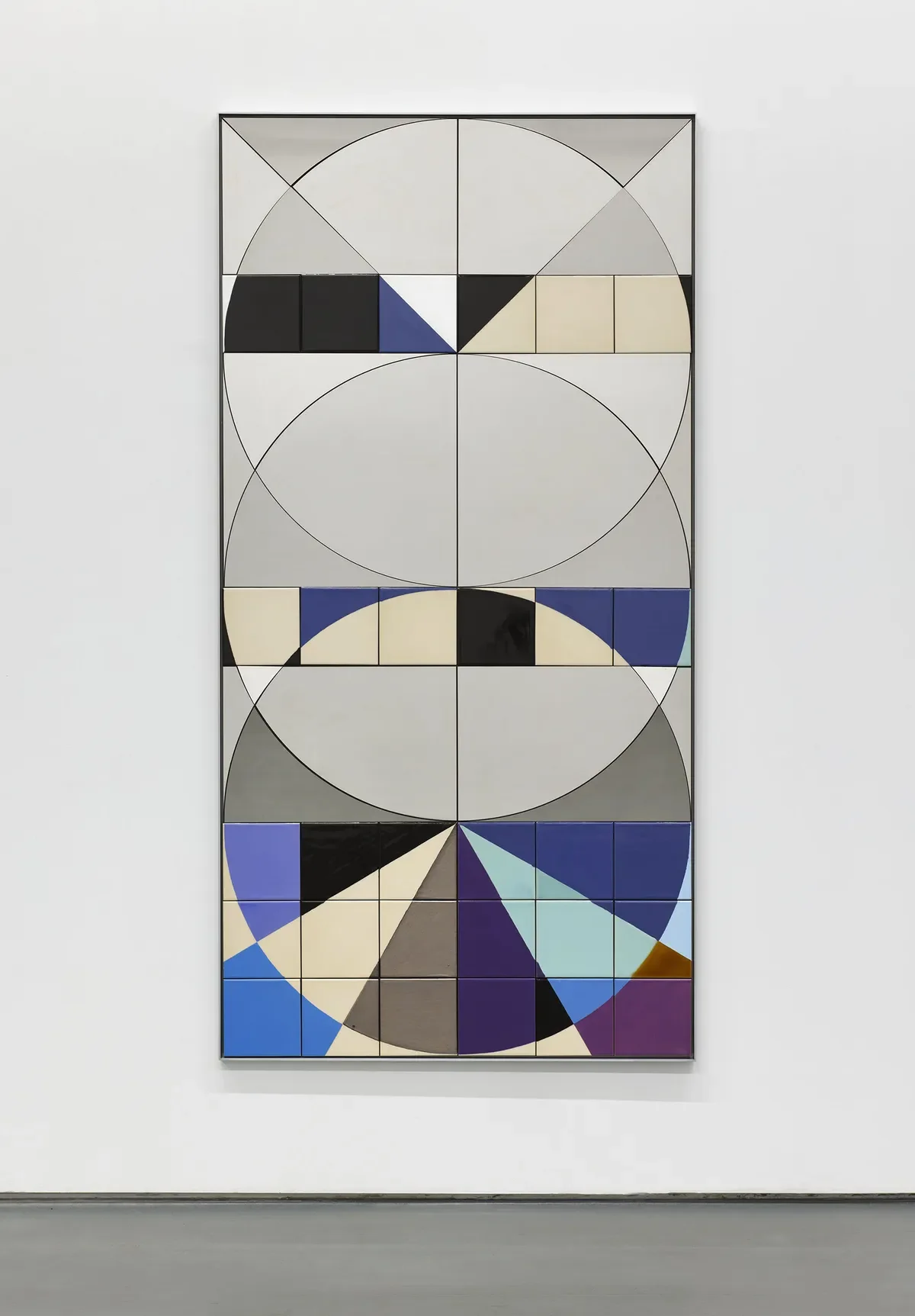
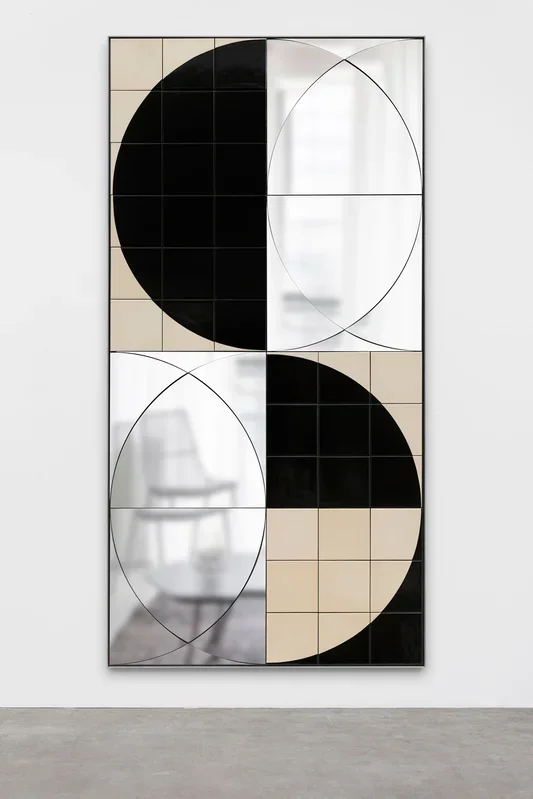
One of the things that really stayed with me after our last conversation was your idea of space. Can you talk to me about your idea of space and what it means to you?
Space is kind of defining everything else. That means cities are defined by architecture, and the spaces between architecture. Artworks are defined by the space which surrounds them. If it's a white cube, if it's a private home, if it's a public space.
So I think we can't underestimate the influence space has on anything.
I once read a sentence — actually by the Catholic Church. I'm not religious, but they wrote a book about how architecture can influence people. I'm not talking about being "spaced out" because of certain hallucinogenic drugs. I'm talking more about listening to a concert, for example, in the Philharmonie here, and being so blown away by the quality and intensity of that experience.
It's funny because I was just asked to write a little article for a movie magazine here in Germany called Cargo about my first movie experiences in life. I started thinking about what were the first movies I watched, and how they influenced my life.
It's very interesting because, from the beginning on, I was looking for something which wasn't mainstream, which wasn't easy. These were films I watched when I was a teenager that were very experimental, heavy, and difficult.
I realized that cinema was never just pure entertainment for me. It's always something more. Being drawn into another world that I don't understand, and trying to understand it somehow.
Do you think it's important that we always understand everything?
No.
It's kind of nice to give yourself to the world or something and just kind of be present in a moment. You know, it's funny because this is why I also think with artworks, I don't have the opinion that they have to have another function than being an artwork.
You were saying you don't think artworks have to have another function than being an artwork. Can you talk more about that?
Of course, if they sometimes have another function, like being a table at the same time or explaining something, it's also good. But I don't think it should be didactic at all, because we have other fields which can explain us the world.
Here is an exhibition right now at the National Gallery by Christian Marclay. It's called The Clock, and it's 24 hours of parts of films where a clock is shown in the real time of the exhibition time.
And the funny thing is, you think, "Oh, it's a concept. It's very easy. It's just 24 hours taken out of movies." But when you're in it, it's so poetic and it's so strong.
And that's what I wanted to say. It has so much more than just to have this concept. It's telling so much about the power of movie and the power of dreams and the power of language as well, because people speak in the films.
I was in there the other day and I thought, this is so strong. And it's not explainable to the end as well.
In terms of other people's art, or art that you've experienced in life, do you notice a commonality in the things that have moved you to either make your own art or fall in love with art? What are some of the things that shaped your views on art and what it can be?
I remember that two exhibitions which I experienced quite young really influenced me, because at that time I didn't know much about contemporary art.
What I liked and what I knew was Picasso, Expressionism, Impressionism, Dalí.
And then I visited two shows, one by Ellsworth Kelly and the other one Robert Ryman. Especially Robert Ryman was very weird because he used only white and different shapes.
At that time I thought, this is basically nothing, in a way. What is it?
But then I got totally drawn into that show. That's what I talked about before. This kind of magic moment really happened to me, especially because I didn't know what it is.
I think these were very important exhibitions I saw, which made me want to do something with art.
But I was interested in art also because I thought this is a way to get out of my bourgeois suburban world, in a way. I always felt a difference between me and the majority of the people living there, and art and culture was always, for me, a possibility to get out of that.
What is that difference, do you think?
Oh, I have no idea.
I talked a lot with friends about it who are artists too, for example. I really can't explain it.
But I experienced that many of these people who I know didn't do dancing lessons in school, which was actually something almost everybody did. You made a dancing course and it was a very conservative thing.
When you were 12, 13, you did that. And I didn't do it. And most artists I asked in Germany, they didn't do it either. And I'm sure 90% of all other people did it.
So obviously many people felt already, at a very young age, not totally part of this system. And their dreams were also different dreams. Nobody of them, and me too, had the dream to buy a little house, found a family, and earn some money.
So, a very simple way to describe maybe the difference. Wherever it came from before, I'm sure that's a very individual question.
I'd like to talk about space again. Sorry to make you repeat yourself, but can you explain what space means to you at large — how we experience life and our surroundings?
I just think space is one of the most important settings or ingredients to life, no matter on which level you look at it.
Cities are defined by architecture and the spaces in between the architecture, or the places where people meet. I think space has a lot of influence on how people meet.
The social qualities of space are very important, and also the spaces where you learn or where you create are defined very much by the architecture they build.
In general, I would say, I read once in a book the Catholic Church wrote about how to build modern churches. The first sentence was like, "The quality of the space defines the quality of the meeting." And I think that's very true.
If you build a nice school, the students in there will learn better. If you build a nice house where people live in, maybe they're more friendly to each other and more happy. And if you build a city which thinks about the people who live in the environment, it might be a better place to live.
So, in a broader sense, this is very important. But I also think it's very important for artwork — how to show artwork and what kind of artwork is shown in which space.
How do you think your artwork plays into that idea of creating a space?
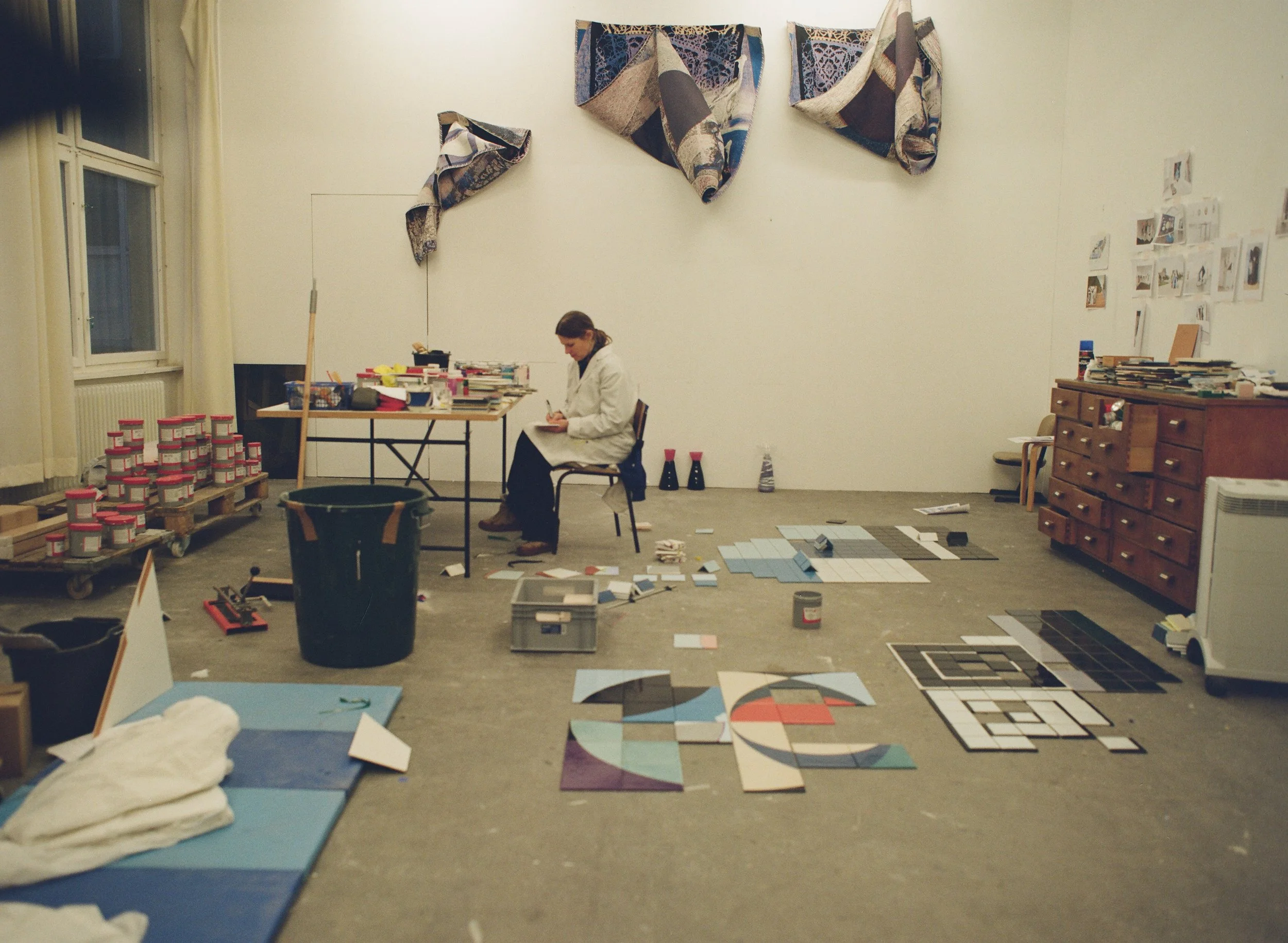
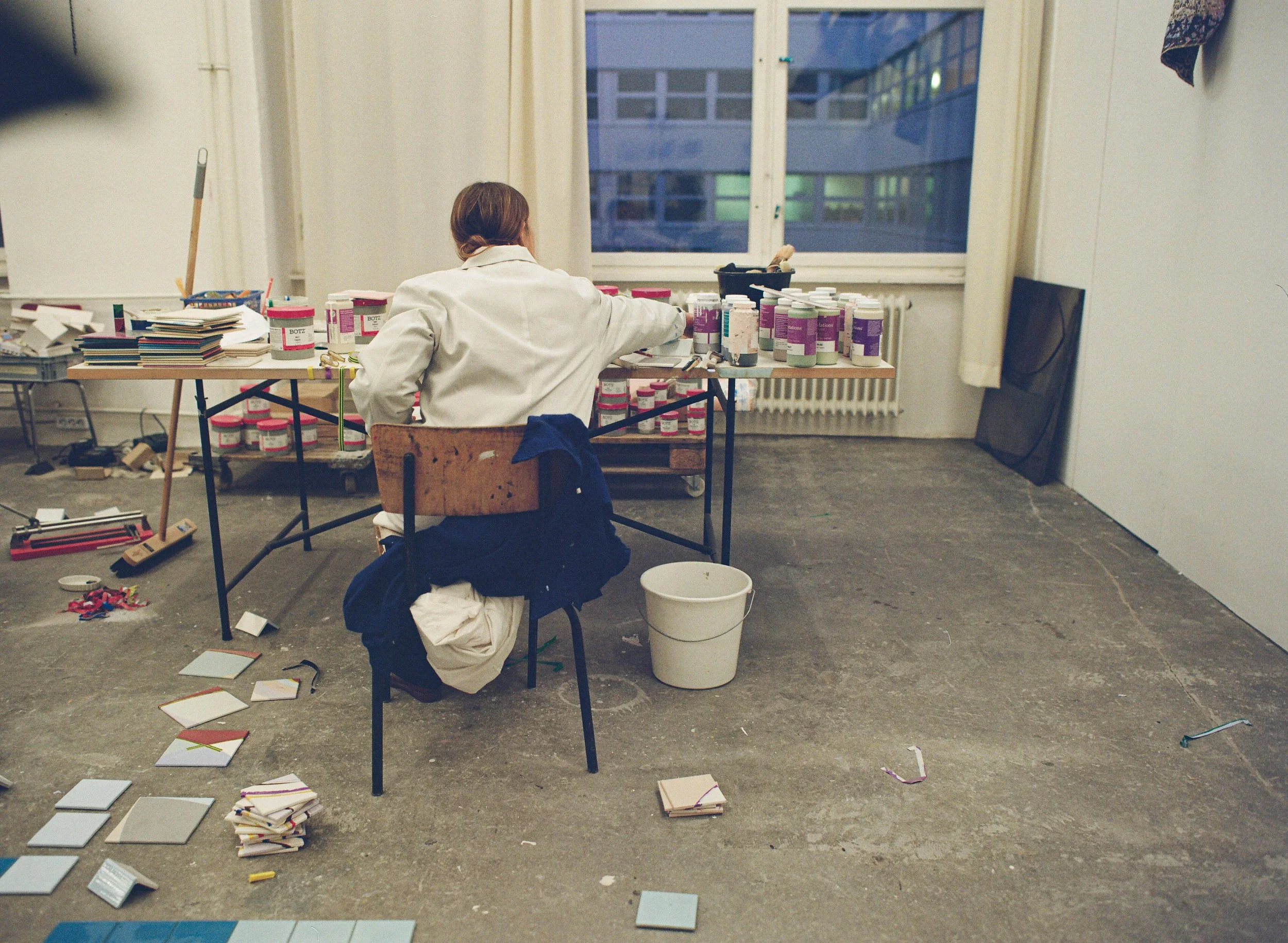
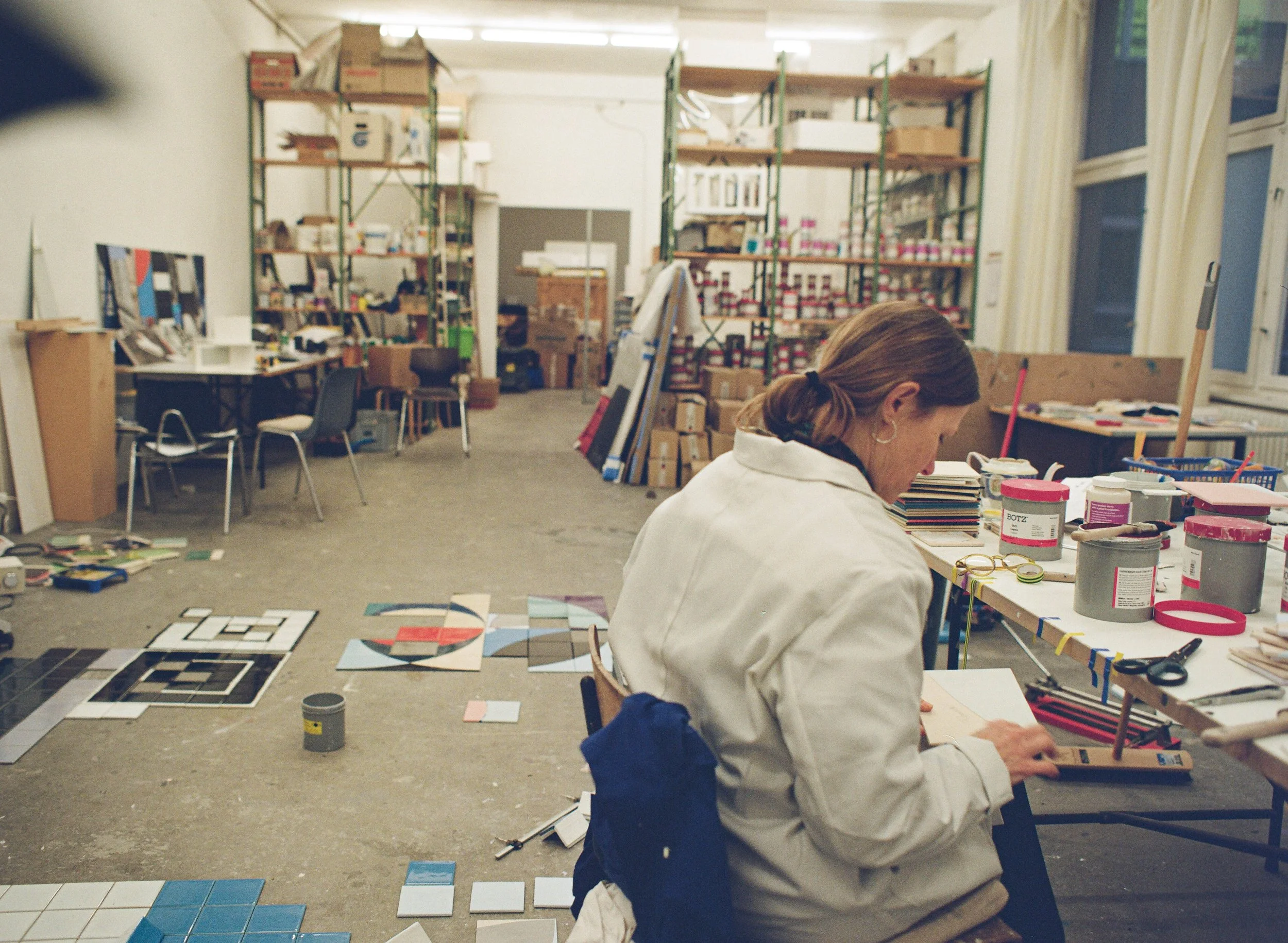
When I have a project or I'm invited to a show, I always first build a model.
I'm never starting with a little unit. I'm always starting with the big picture, looking at the space and thinking of the space, building a model, and making drawings and plans.
Then I would think, how can I change it? What's important there? What do I need for that space?
Then I will look into the more detailed work, like which materials are used and which work I will introduce in there.
Again, sorry to make you repeat yourself, but the idea of a mirror and how you use it — the idea of reflection and such — why is that important to you? Why do you use mirrors in your work, and how does it play with space?
Mirrors, I think, of course, it's a very popular material. It has a long history.
It's also very dangerous sometimes that you create certain effects. You don't want that people only look at themselves or make photos, selfies, in mirrors.
But at the same time, I think it has a material quality which is very interesting to me.
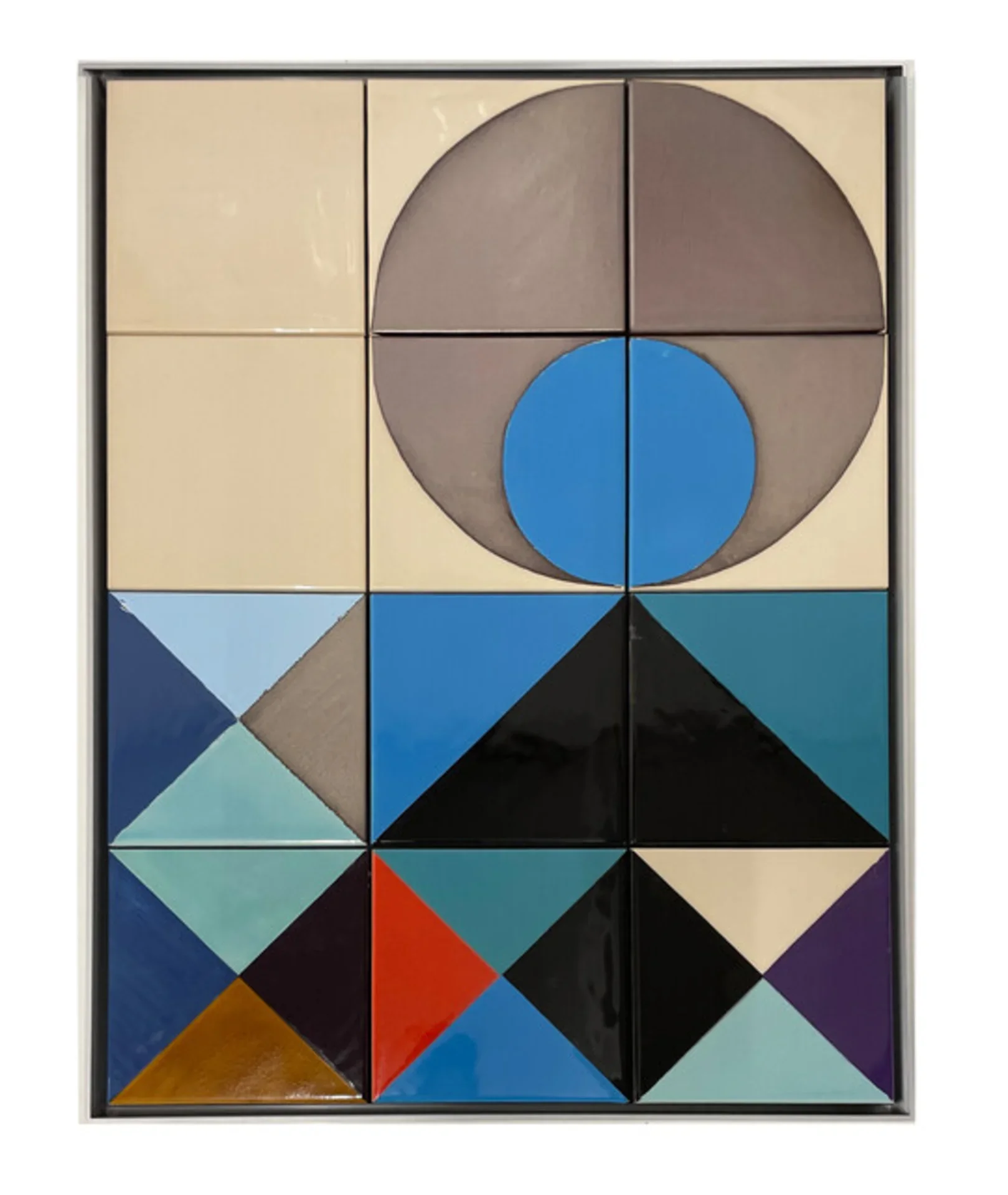
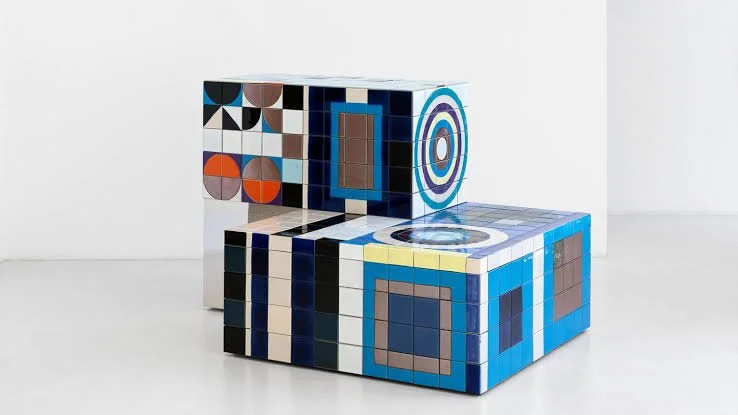
You can open up a space. You can play with the movement, with the light in it. And you can create something which is an artwork, which is a drawing of mine or relief, but at the same time it also reflects the surrounding in a way.
In certain moments I can use it very well for my exhibition settings, to create dialogs and so on.
When you say dialogs, what do you mean?
In a mirror, let's say I had a show in New York two months ago, and there were also a few mirror works.
Of course they reflected the whole show, and the mirrors even reflected each other. So it created somehow almost like a dream world, I think, where you moved and then sometimes you saw also a few parts of you, but never your whole body, which was, I think, more interesting than just representing a person in a whole.
And if it reflected also a wallpaper which was completely at another wall. So it's just, I think, a setting or a play, almost like a stage design.
I'm just using it for my—
Is theater important to you? Has it been a thing in your life that has caused you joy or inspiration?
I love theater, yeah. I'm going very often to the theater.
What I like about it is that, of course, you don't have only the visual, but you also have a story. And you have a language which sometimes is very inspiring, I think, and can open up new worlds as well.
And also, I think, that people come together and enjoy something in real life, in real time, in a physical space.
This quality is now becoming even more important because we see so much digitally that we sometimes lose this experience of being physically involved in something in that space.
You talked about creating almost a dreamlike presence with mirrors reflecting each other, and this idea of getting out of the normal world we are in and transporting yourself somewhere else. What about being in another world is beneficial or enticing to someone?
You mean creating an exhibition where people come in?
Yeah. Not necessarily even in an exhibition, but in a grander sense — transporting somewhere else, not being in the present moment, or being in a surreal state.
You mean we could name it spirituality?
I mean, I do hope that most people in the world sometimes have moments where they think: where does it all come from? What does it mean to be in that world? Is there anything I don't understand, which is not literally here or in a standard view?
And all these questions can be touched sometimes on a very irrational level by art and culture, I think. It could be literature, music, fine art, poetry, theater, cinema.
And I think this is very important: to always give an opportunity to have a different view onto your own life or the world.
Are these questions you have often with yourself?
I have that all the time, I would say.
Definitely.
Just because I think not everything makes sense if you just try to explain it on a rational, scientific level, in a way.
Do you ever find answers?
I find answers for my life now, but I don't have an answer what happens after that.
Unfortunately.
Or why, or how.
I mean, I said before, I'm not really religious. I'm not baptized. I'm not Christian. My father is a scientist. He grew up in a very religious environment, but he quit the church.
He's totally rationalist, meaning he thinks when we die, then we become just humans and become something else. Not another creative creature, but we become a chemical element or something.
And I don't think this is the answer I would have, because I think this can't be the full dimensional picture this world can offer.
But I don't have a real system to explain it.
I don't believe in a god, but I believe definitely in something more than just physics and chemistry or natural science.
It's nice to not have an answer, and to hope or think there is something else beyond us. A lot of people, rightfully so, can be rational about these things, but it is nice to not think that we're the end-all be-all of this universe. I think it opens up your mind and the way you go about life. Do you think having such a rational parent or family shaped how you lived your life or the beliefs that you have?
I mean, I think I always was in opposition to my parents.
My father is very rational. My mother is not rational at all, I would say.
What influenced me definitely: I grew up in Bavaria, which is very Catholic, and I was the only child in my village who wasn't baptized.
So I was the only child who couldn't go to the religious lessons. I wasn't allowed to go with the school class to the church.
In my primary school, I had to sit on a chair in front of the classroom when they had religious lessons.
And I always had a longing for the Catholic Church since. In the sense, I actually always thought I wanted to be part of it.
But I don't believe in it.
I do believe in the theatricality of the Catholic Church. I think they are the best. Protestant churches don't do that.
This whole theater and the whole drama and so on.
But I don't believe in the actual system of it.
So it's a dilemma for me.
That's very interesting. It seems like you were excluded from a lot of normal things surrounding you, and being an outsider in some way. Especially when people say, literally, "You are the chosen and you are not," or "You will end in heaven and you are not." I'm sure that can affect someone, especially a young child.
Yeah.
I mean, it's not a real trauma, I would say, but it's a special relation with Catholic religion.
Definitely.
Is there anything you think I missed, or anything else you would like to communicate?
Cool. Amazing.
